

 DA
 EN

Breastfeeding after a caesarean birth
Breastfeeding may get off to a slightly different start after a caesarean birth, and you may need some extra help until you can move around more freely. With the right support, however, most mothers are able to breastfeed successfully after a caesarean.


Can I breastfeed after a caesarean birth?
Whether your caesarean was planned or an emergency, getting breastfeeding started may require some help and patience. Swipe to learn more about breastfeeding after a caesarean birth.
How might a planned caesarean affect breastfeeding?
After a planned caesarean, you can often have your baby placed on your chest straight away, provided there are no complications. If given enough time, many newborn babies will find the breast and begin feeding by themselves.
If your baby cannot be placed on your chest immediately, they can have skin-to-skin contact with their father or your partner. You can then have your baby skin to skin as often and for as long as possible, both in the recovery area and later on the postnatal ward.
You can help your milk supply become established by:
- Having as much skin-to-skin contact with your baby as possible.
- Letting your baby feed as often and for as long as they want.
- Being patient and trusting that your milk will come in.
Unlike an emergency caesarean, a planned caesarean gives you time to prepare before the birth and, hopefully, give breastfeeding the best possible start.
You can prepare by:
- Talking to your midwife and health visitor during pregnancy about breastfeeding after a caesarean.
- Preparing yourselves for the possibility that establishing your milk supply may require some extra patience. Pain from the wound and uterine cramps after the birth may also affect your energy during the first few days of breastfeeding. Practical and emotional support are essential.
- Learning about laid-back breastfeeding, which can be particularly helpful after a caesarean. It is useful for both you and your partner to understand different breastfeeding positions and how pillows and other supports can help you find a comfortable position after the operation.
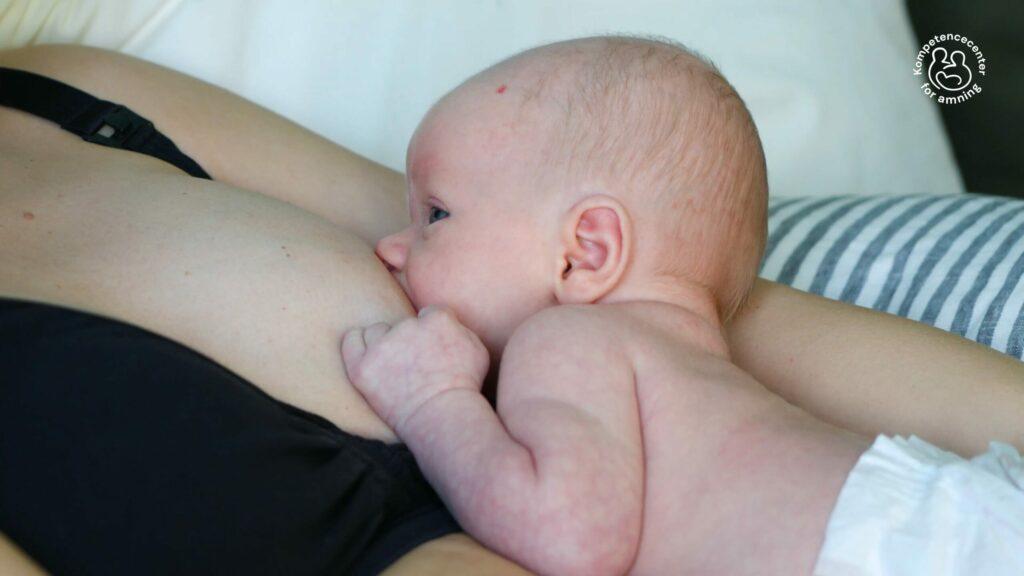
Guide to the laid-back breastfeeding position
Practical guidance for starting with the laid-back breastfeeding position, which offers several benefits.
Activate English subtitles in top right corner
How long can I take painkillers after a caesarean, and which types are safe while breastfeeding?
You will typically experience pain from the wound for one to two weeks after a caesarean, although it should gradually ease. The pain should be treated in the same way as pain following any other operation. Adequate pain relief throughout this period is important both for your recovery and for establishing breastfeeding.
Pain after a caesarean is usually treated with paracetamol and ibuprofen. During the first few days, you may also need a stronger painkiller, such as morphine. Hospital staff will advise you on which painkillers to take and for how long.
Read more about breastfeeding and medication here

Mild painkillers and breastfeeding
In this video, Jon explains what you need to know about using over-the-counter pain relief while breastfeeding.
Activate English subtitles in top right corner
Things you can do:
- Hold your baby skin to skin as soon as possible and as much as you can.
- Get good pain relief so you can relax and find comfortable positions for breastfeeding.
- Choose positions that do not put pressure on your wound.
- Ask a midwife or nurse for help early if breastfeeding is not going as expected.
- Be patient – it is normal for your milk to take a little longer to come in after a caesarean.
Who can you contact?
If you experience challenges with bottle feeding – big or small – do not hesitate to seek professional advice. Swipe to see whom you can contact and when.
Find related content
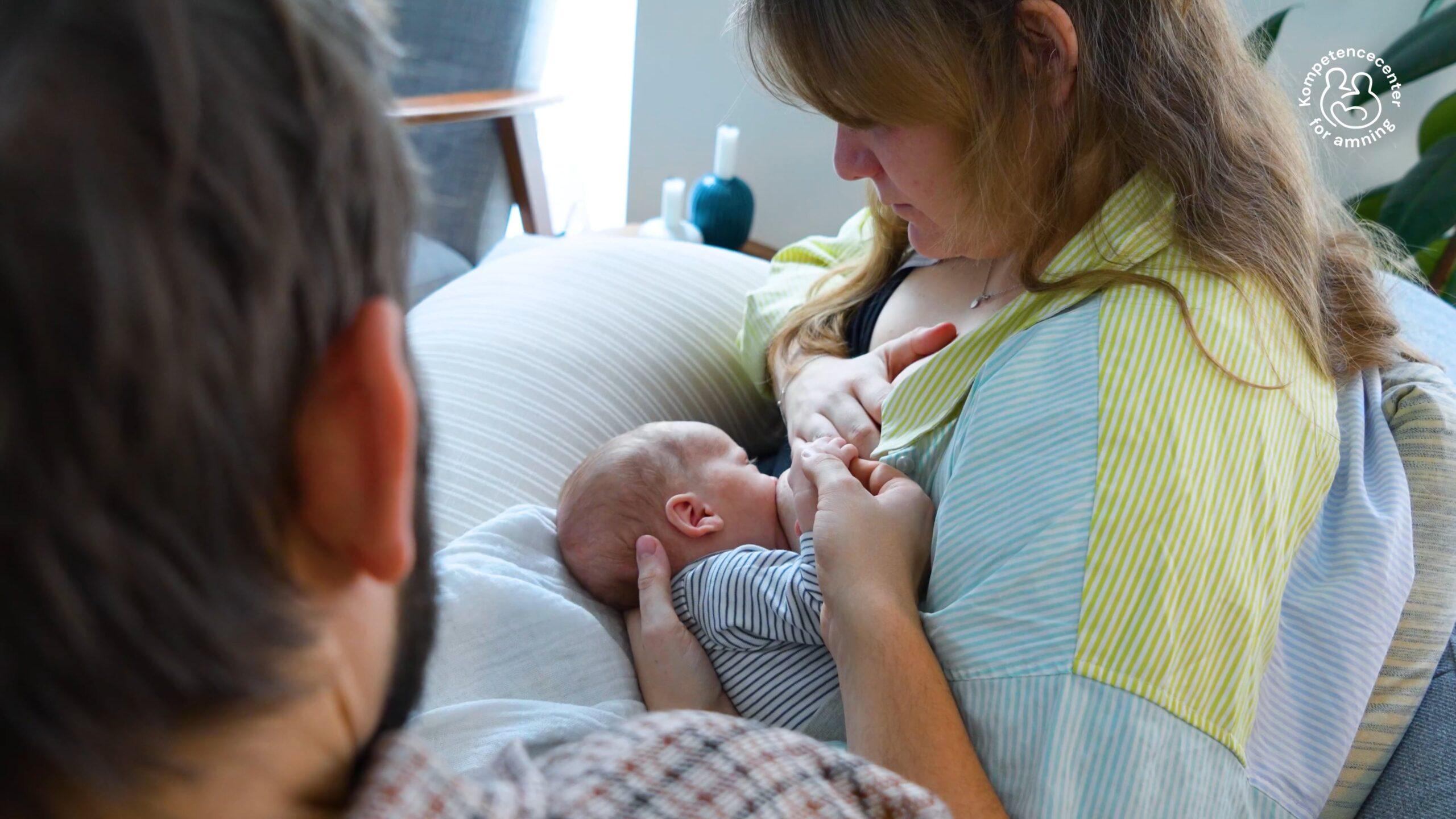
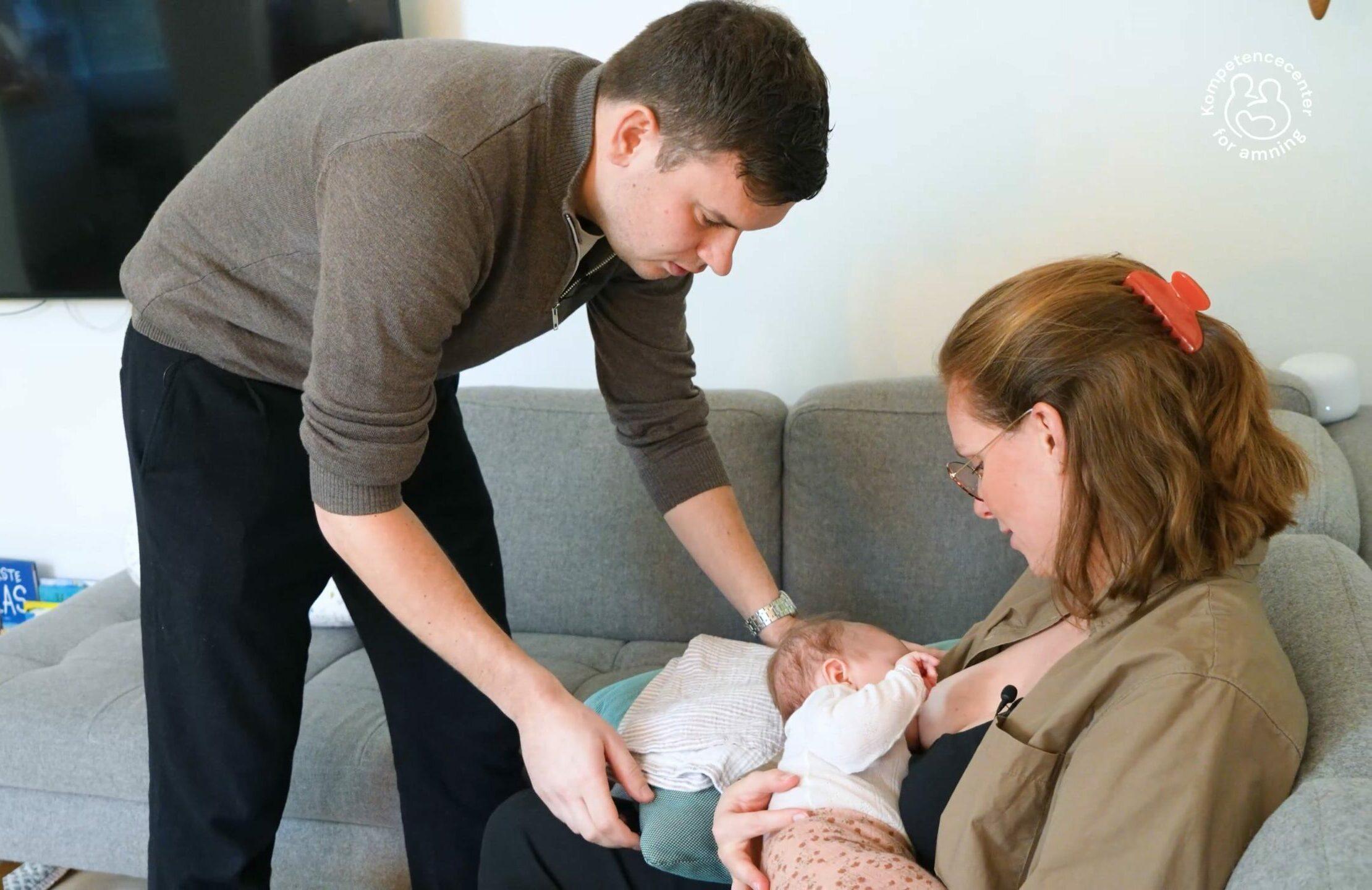

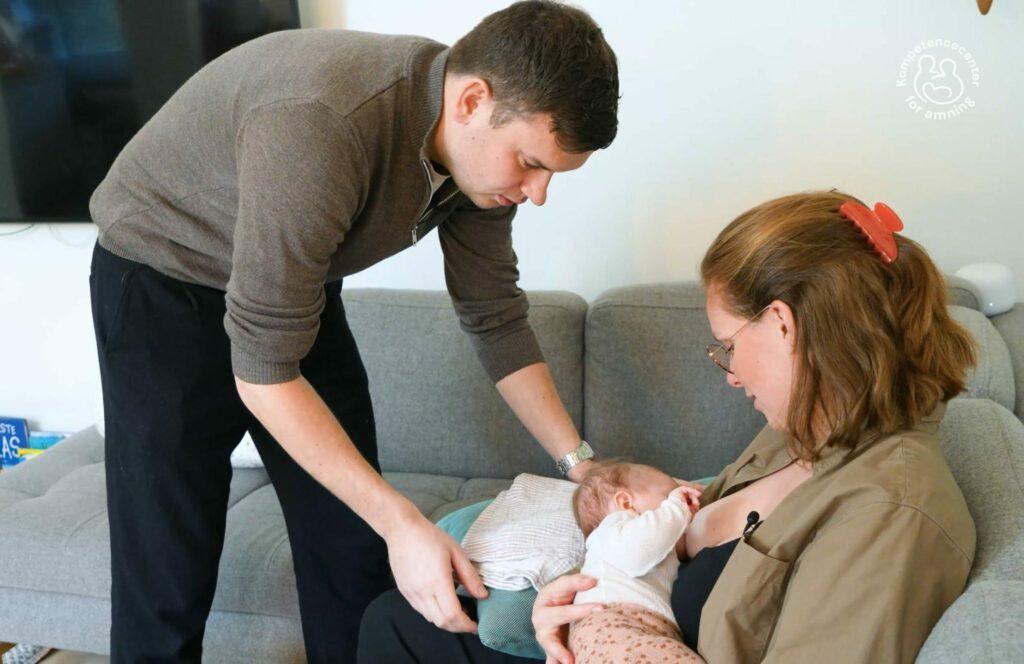
Supporting each other
Ideas for how you can support one another so that breastfeeding works well. Supporting each other is one of the four key breastfeeding messages.
Activate English subtitles in top right corner

A good breastfeeding position
Ideas for finding a comfortable and supportive position—one of the four key breastfeeding messages.
Activate English subtitles in top right corner
Supporting each other
Ideas for how you can support one another so that breastfeeding works well. Supporting each other is one of the four key breastfeeding messages.
Activate English subtitles in top right corner
A good breastfeeding position
Ideas for finding a comfortable and supportive position—one of the four key breastfeeding messages.
Activate English subtitles in top right corner